What Is a Containerized Edge Data Center?
Keywords: containerized edge data center, edge computing infrastructure, modular data center
Author:longXing Team
What Is a Containerized Edge Data Center?
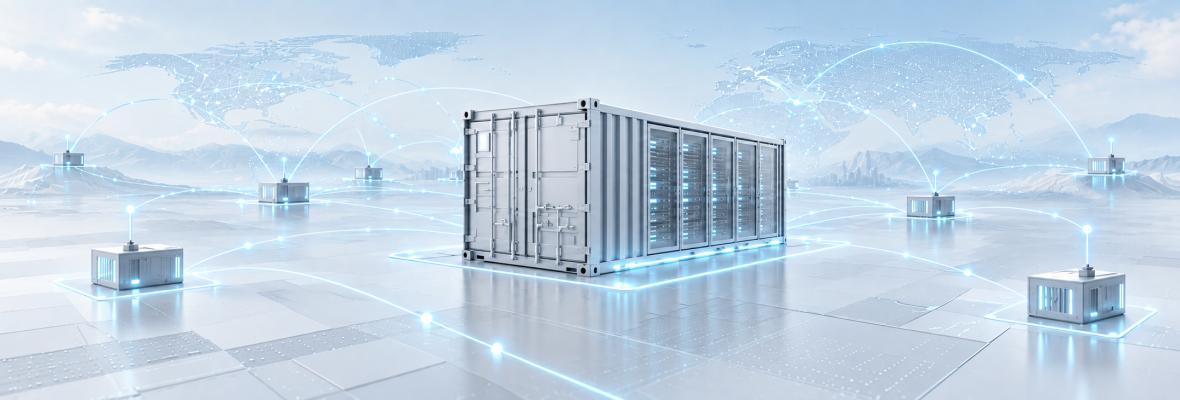
A containerized edge data center is a prefabricated, self-contained computing facility installed inside a standardized shipping container or purpose-built modular enclosure. It brings processing, storage, networking, power, cooling, monitoring, and security closer to the location where data is generated. Instead of sending every workload to a distant cloud region, organizations can process time-sensitive information locally and transmit only the data that needs centralized analysis or long-term storage.
The main advantage is proximity. Shorter data paths can reduce latency, limit bandwidth consumption, and help critical applications continue operating when wide-area connectivity is unstable. Because the infrastructure is factory integrated and tested, it can also be deployed faster than a conventional data center building.
How Does It Work?
The container acts as a protected technical environment. Inside, IT racks host servers, storage systems, switches, and edge applications. An integrated electrical system distributes power through switchgear, UPS equipment, batteries, and intelligent PDUs. Cooling equipment removes the heat produced by the IT load, while environmental sensors track temperature, humidity, smoke, water leakage, and access conditions.
Once delivered, the module is positioned on a prepared foundation and connected to utility power, backup generation, fiber, and other external services. Remote monitoring platforms then allow operators to supervise power, cooling, alarms, and equipment status without maintaining a large on-site team.
Core Components
IT and Network Infrastructure
Servers and storage systems provide local computing capacity, while high-speed switches connect devices, applications, and upstream networks. Fiber distribution and structured cabling are especially important because edge sites must remain organized and serviceable despite limited internal space.
Power and Cooling Systems
The power architecture may use N+1 or 2N redundancy depending on availability requirements. Cooling can include precision air conditioning, in-row units, rear-door heat exchangers, or liquid cooling for high-density workloads. Capacity should be matched to both the present IT load and expected expansion.
Monitoring and Physical Protection
A centralized monitoring system collects equipment data and issues alerts through interfaces such as SNMP, email, or a web dashboard. Fire detection, suppression, access control, CCTV, weather resistance, and reinforced doors protect the module in unattended or remote locations.
Where Are Containerized Edge Data Centers Used?
Common applications include 5G networks, telecom aggregation sites, smart manufacturing, transportation hubs, energy facilities, mining operations, healthcare campuses, and content delivery networks. They are also useful for AI inference, video analytics, and industrial automation, where decisions often need to be made in milliseconds.
How to Choose the Right Solution
Buyers should define the required rack count, power per rack, network capacity, redundancy level, climate conditions, physical security, and maintenance model. The module must also comply with local electrical, fire, structural, and transport requirements. A scalable design is valuable when demand is uncertain because additional modules can be installed without rebuilding the original site.
Site planning should not be overlooked. The foundation must support the loaded module, external equipment needs adequate clearance, and cable and pipe entry points must remain protected. Operators should also confirm who will respond to alarms, which spare parts will be stored locally, and how technicians will access the equipment safely. These practical details often determine whether an edge site remains easy to operate throughout its service life.
Conclusion
A containerized edge data center combines the speed of local computing with the repeatability of modular construction. For organizations that need rapid deployment, predictable performance, and reliable operation near users or equipment, it provides a practical alternative to building a traditional facility from the ground up.


